
Chartering 2 min read
Laytime and demurrage in voyage charters
How laytime starts, what stops the clock and why an accurate statement of facts settles most demurrage disputes.
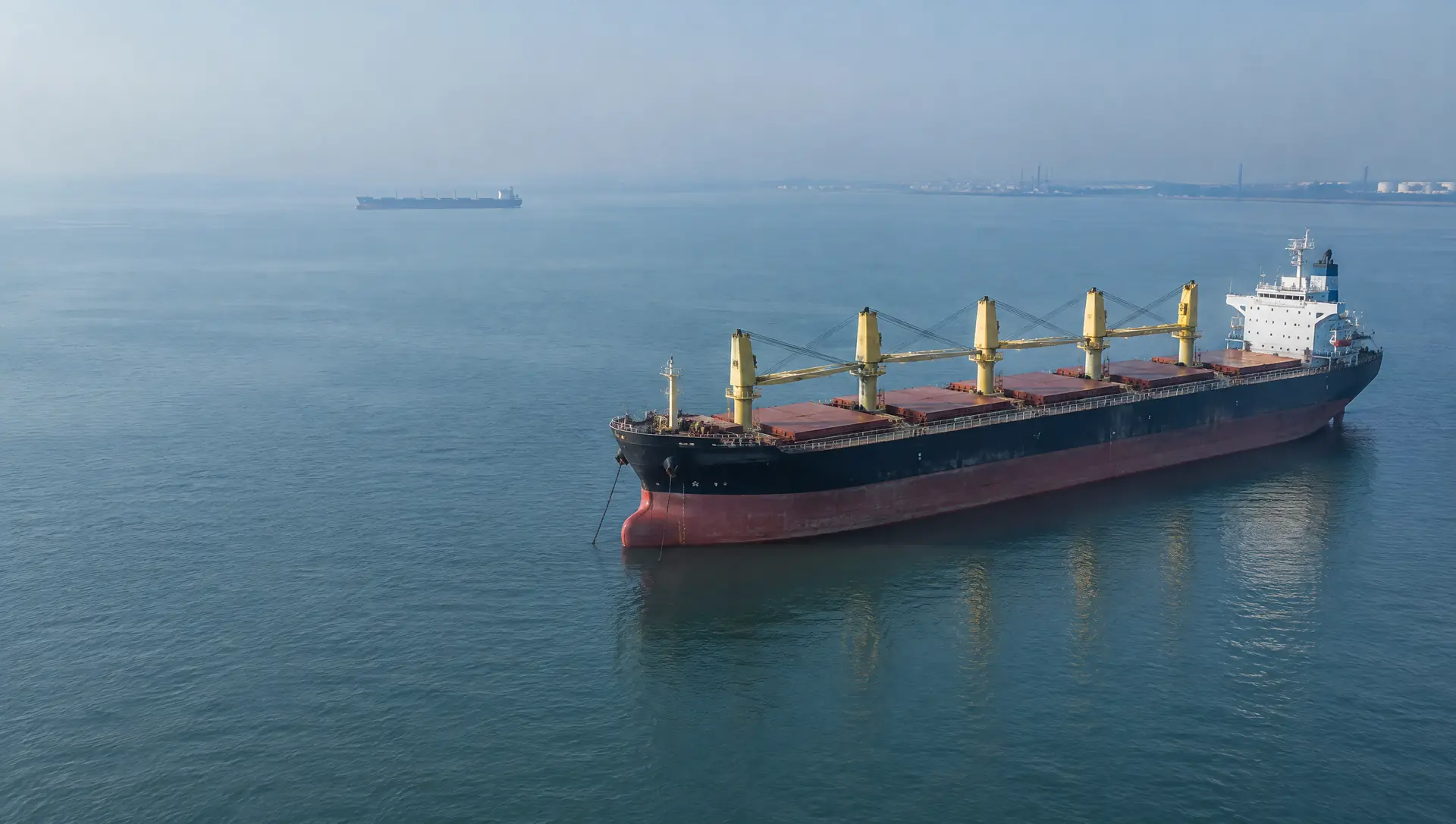
Laytime and demurrage settle who pays when a ship spends longer in port than planned. For cargo owners chartering vessels into Kandla and Mundra, understanding the basics can prevent most disputes before they start.
The key terms
- Laytime is the time allowed in the charter party to load or discharge, often expressed as a rate in tonnes per day.
- Demurrage is the agreed daily amount the charterer pays the owner when laytime is exceeded.
- Despatch is a reward some charters pay the charterer for finishing early, commonly set at half the demurrage rate.
When the clock starts
Laytime normally starts after a valid Notice of Readiness has been tendered and an agreed turn time has passed. The NOR is only valid when the vessel has arrived at the agreed place and is ready in every respect. A NOR tendered too early can be rejected, so the agent's records of arrival and readiness are important.
What stops the clock
- Weekends and holidays, depending on terms such as SHINC or SHEX
- Bad weather that prevents work, where the charter party excludes it
- Shifting between berths or anchorage, if agreed as excluded
- Stoppages caused by the vessel itself, such as gear breakdowns
Once on demurrage
A long-standing principle in voyage charters is that once a vessel is on demurrage, it stays on demurrage. Exceptions that would have stopped laytime usually no longer apply, unless the charter party clearly says otherwise.
The statement of facts settles it
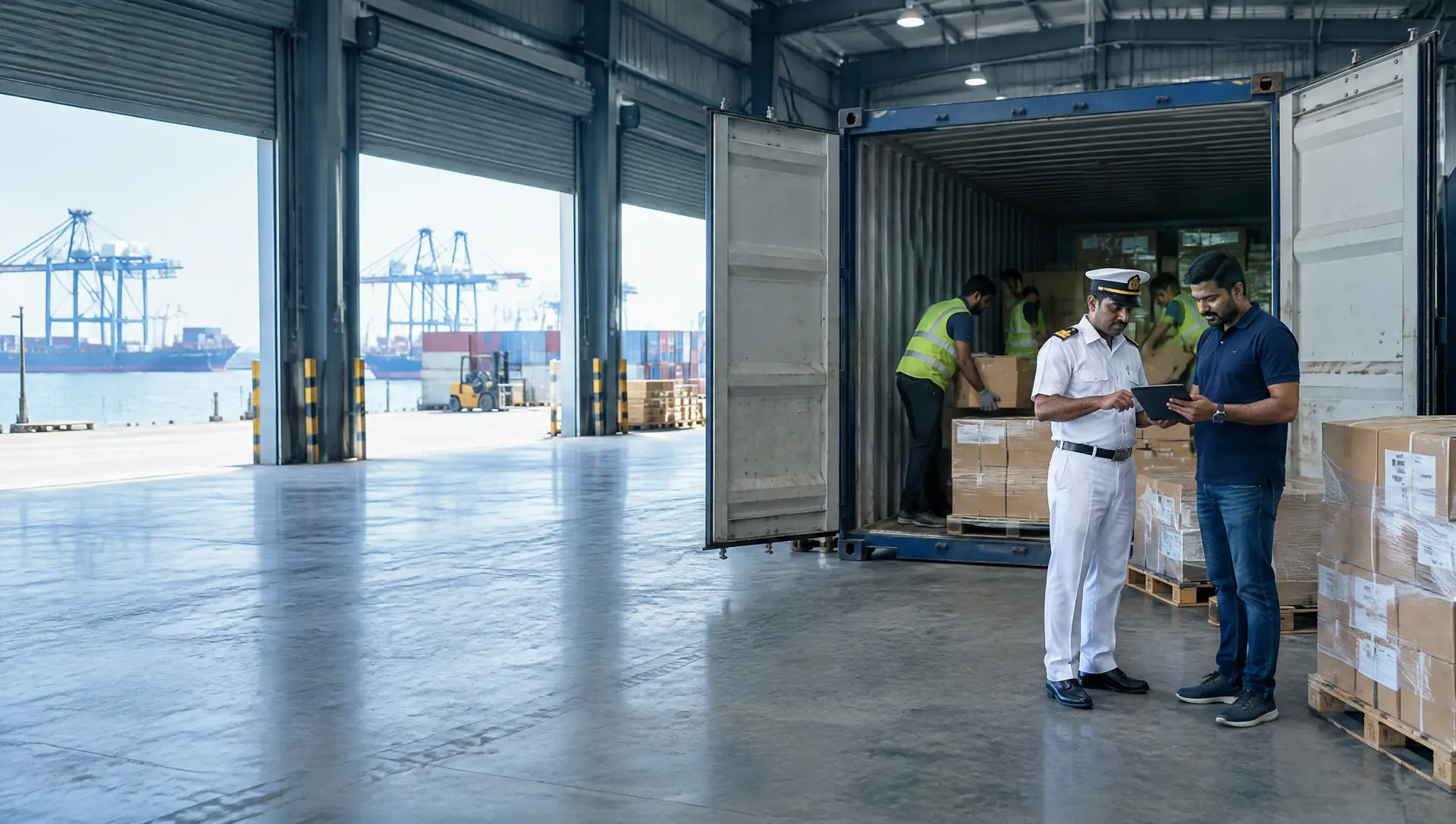
The laytime calculation is built from the statement of facts: arrival, NOR, berthing, start and end of work, every stoppage and the reason for it. An accurate statement, signed as events happen, settles most claims without argument.
Fix terms the port can deliver
Many demurrage claims start with a charter party rate the berth could never achieve. Check realistic discharge rates, tide windows and berth congestion before fixing the vessel.
How Globelink helps
Our team checks charter terms against what Kandla and Mundra can actually deliver, then keeps the statement of facts accurate during the call. Read about our chartering support and our vessel agency service.
Talk to our port team
Questions about your own cargo? We will come back with one plan and one quote covering every stage.