
Customs 2 min read
Bill of Entry types explained for importers at Kandla
Home consumption, warehousing and ex-bond: which Bill of Entry you need, when to file it and how advance filing shortens clearance.
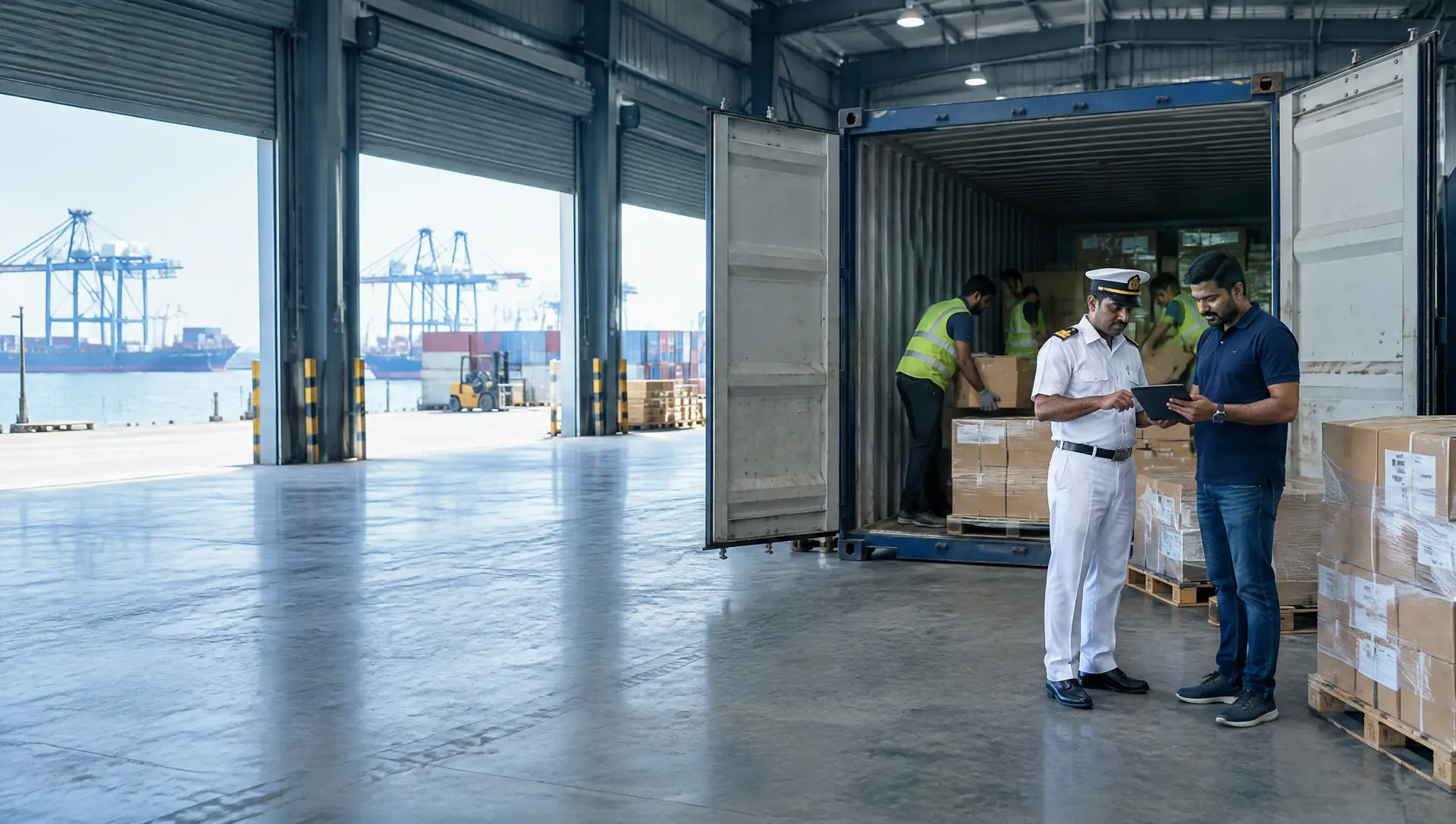
Every import into India is declared to customs on a Bill of Entry. Choosing the right type, and filing it at the right time, decides how quickly your cargo leaves Kandla or Mundra and how much it costs to wait.
The three main types
Bill of Entry for home consumption
Used when you want to pay duty and take the goods straight into the domestic market. It is the most common type for importers who need cargo at the plant as soon as possible.
Bill of Entry for warehousing
Also called into-bond. Used when goods go into a customs bonded warehouse without paying duty immediately. It suits importers who will sell or use the cargo over time and want to defer duty until each part is removed.
Ex-bond Bill of Entry
Filed when goods already in a bonded warehouse are cleared for home consumption. Duty is paid on the quantity being removed at that point.
Why advance filing matters
A Bill of Entry can be filed before the vessel arrives, against the carrier's Import General Manifest. Customs rules now expect it to be filed in good time before arrival, and late filing can attract a charge. Filing early also lets assessment start before the cargo lands, so duty can be paid and any examination booked while the vessel is still at sea.
What goes into a clean filing
- Commercial invoice and packing list that match each other and the bill of lading
- Correct HS classification, which drives basic customs duty, IGST and any anti-dumping duty
- A valid certificate of origin if you are claiming preferential duty under a trade agreement
- Licences or certificates for regulated goods, ready before filing rather than after a query
- The importer's IEC and GSTIN details
Common causes of delay
Most delays come from documents that do not agree with each other, a classification that customs questions, or a certificate that arrives after the cargo. Each of these can be caught before filing with a careful document check.
How Globelink helps
We prepare and check your documents and file through our licensed customs broker partner, then attend any examination in person at Kandla or Mundra. See our customs clearance service, or plan storage near the port if you want to call off cargo over time.
Talk to our port team
Questions about your own cargo? We will come back with one plan and one quote covering every stage.