
Operations 2 min read
Storing cargo near the port: when a warehouse beats the terminal
Why terminal storage gets expensive, when a nearby warehouse makes sense, and how bonded storage defers duty.

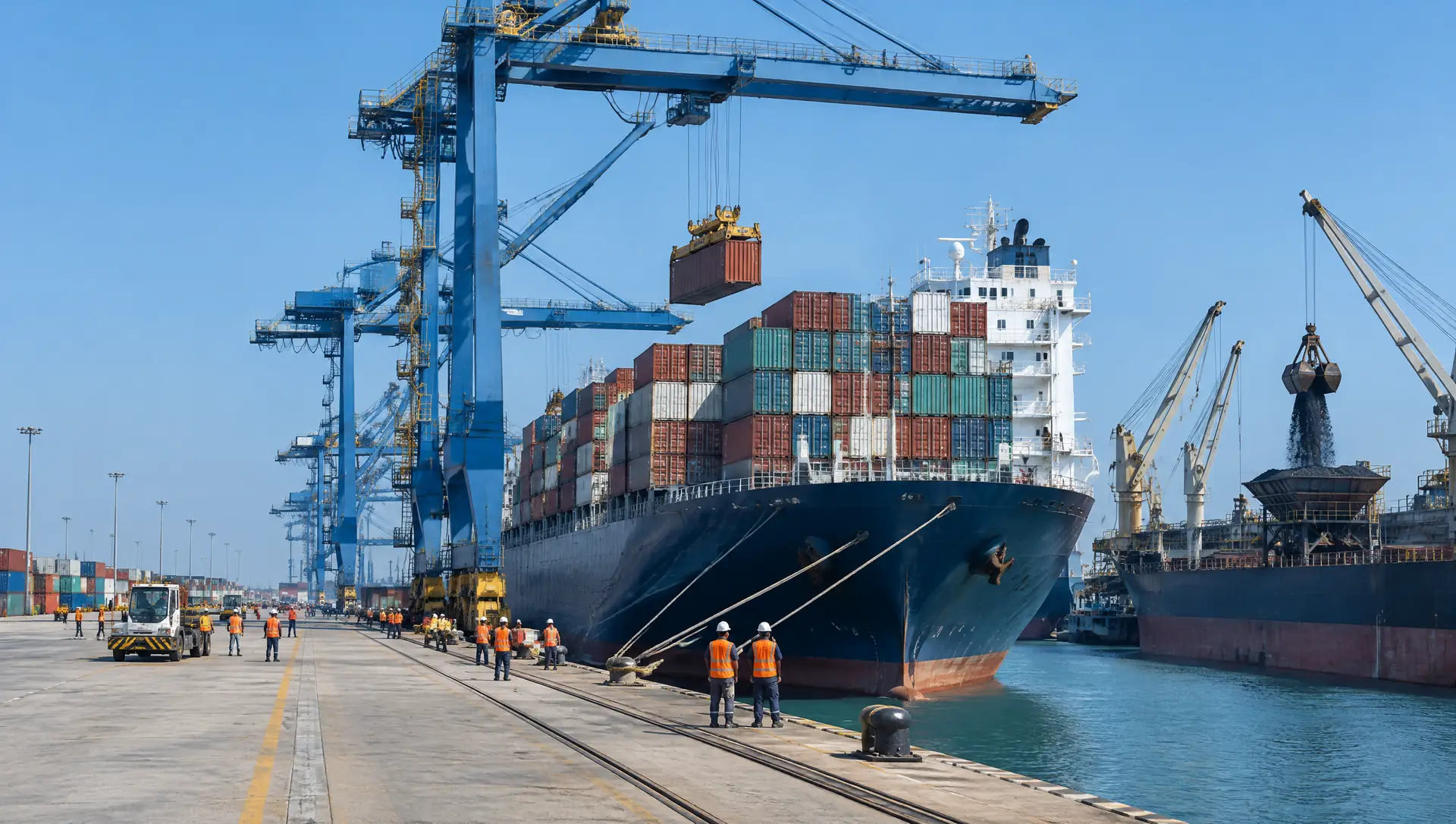
Leaving cargo inside the terminal after it clears can be the most expensive storage you ever pay for. A warehouse close to the port often costs less and gives you more control over deliveries.
Why port storage gets expensive
Terminals and CFSs allow a period of free time, after which ground rent applies. For containers, the shipping line's detention may also be running. Every day the cargo waits for transport or a buyer adds to the bill.
When a warehouse makes sense
- Bulk imports that the plant will use over weeks, not days
- Cargo sold on arrival and delivered to several buyers
- Export cargo that needs to be ready before a vessel's cut-off
- Cargo waiting for a document, licence or payment
Covered or open?
- Covered storage for bagged cargo, fertiliser, grains, paper and anything that must stay dry, especially in the monsoon
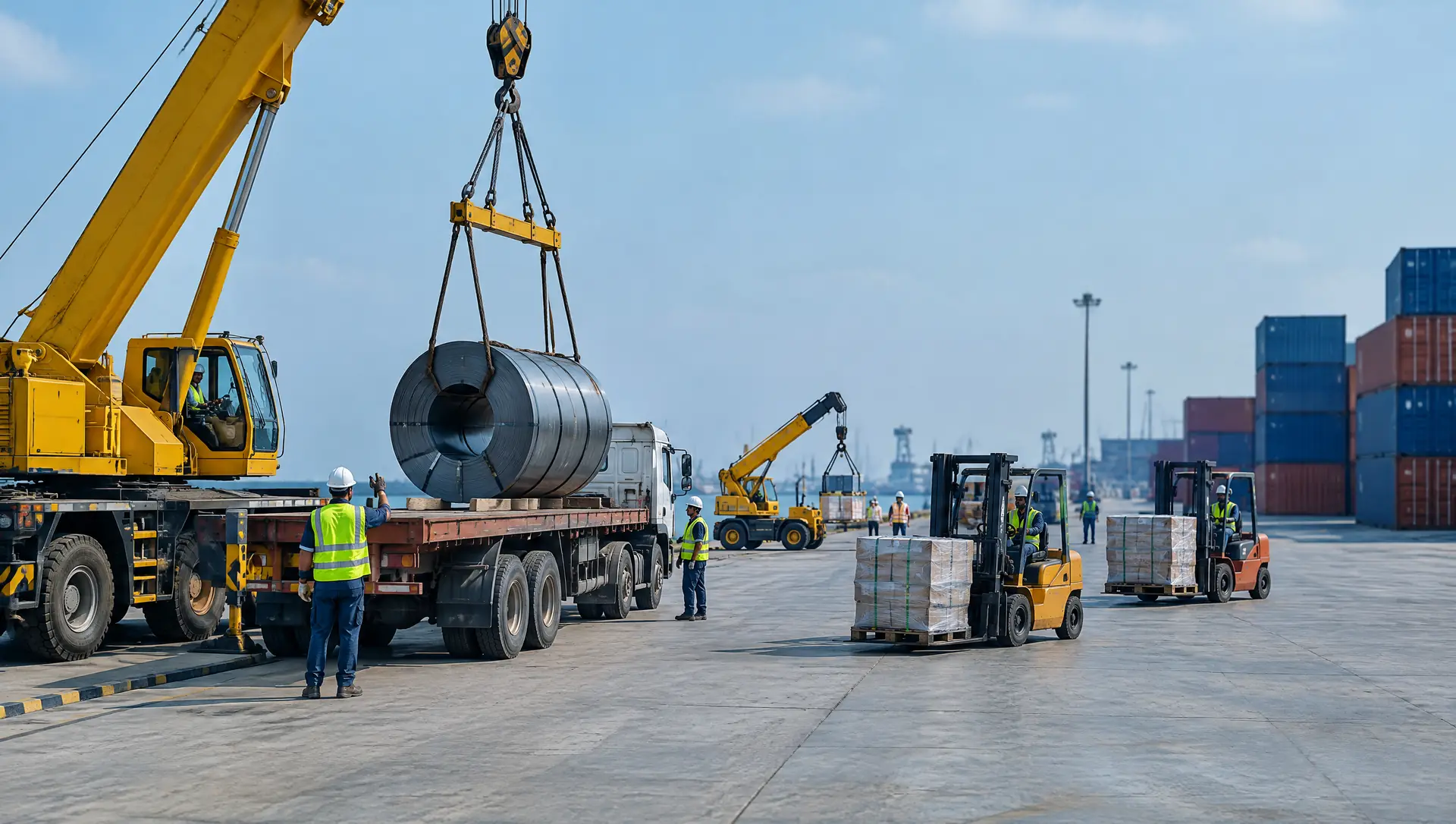
- Open yard for steel, pipes, timber, project cargo and containers
Bonded storage
If duty is a large share of the cargo's value, a customs bonded warehouse lets you defer duty until goods are removed. Duty is then paid only on what you take out, when you take it out.
What good storage includes
- Tally on receipt against your documents
- Segregation by lot, grade or buyer
- Regular stock statements
- Dispatch against your delivery orders, with loading supervised
How Globelink helps
We have access to 40,000 sq ft of covered warehousing and 3 acres of open yard in Gandhidham, with bonded storage through partner facilities. Read about our warehousing and storage, our road haulage and our customs clearance.
Talk to our port team
Questions about your own cargo? We will come back with one plan and one quote covering every stage.